
Electric Transmission Line Ordinances
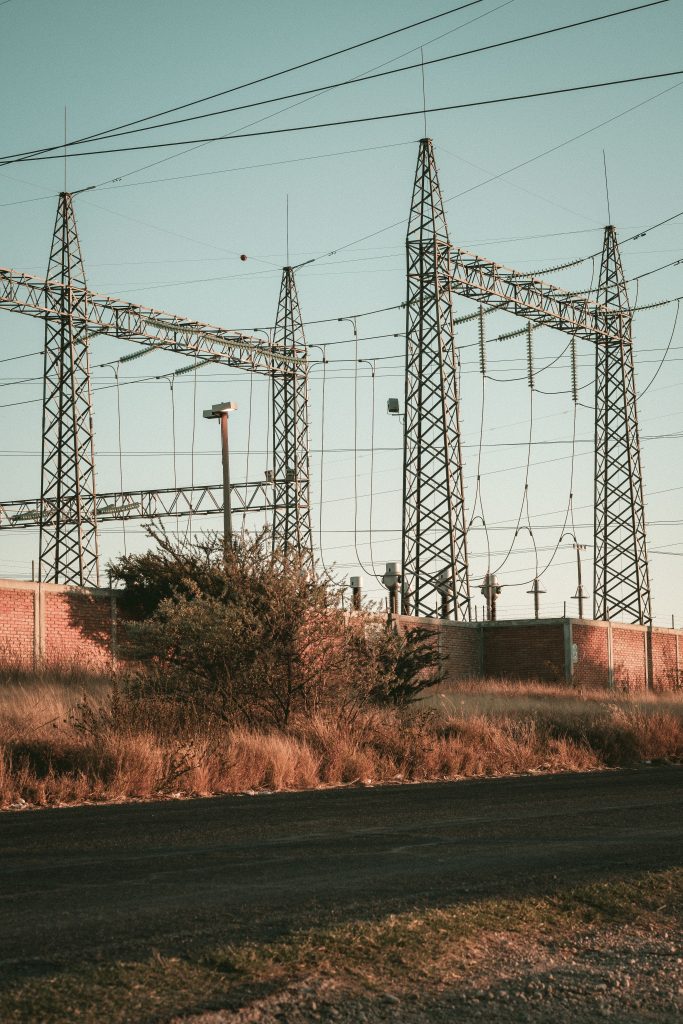
Electric transmission projects can have lasting effects on the communities where they are built. Beyond the transmission lines themselves, a project may involve cleared corridors, access roads, construction traffic, substations, lighting, noise, drainage changes, and ongoing maintenance.
Municipal ordinances can be one tool for addressing land use and community impacts, where permitted by law. Reviewing examples from other towns can help a community identify provisions to examine, questions to ask, and areas where additional legal or technical guidance may be needed.
About These Ordinance Examples
Preserve Rural Maine provides these examples to help residents, select boards, planning boards, and other municipal officials begin conversations about how their communities may wish to address proposed development and its local impacts.
Each municipality has its own character, needs, and legal framework. An ordinance adopted by one town may not be appropriate or legally permissible in another. Before using any example as a starting point, communities should consider how it relates to their existing ordinances, land use regulations, charter, comprehensive plan, and other applicable legal requirements, and consult qualified legal counsel.
These examples are provided for reference only. They are not legal advice or model ordinances recommended for adoption by Preserve Rural Maine.
Sample Moratorium Ordinance
The following example of a moratorium ordinance is provided for reference purposes and should not be considered as legal advice.
Ordinance examples from Maine towns
The following examples are starting points for research, not recommended templates. Review the complete ordinance, its adoption date, and any subsequent amendments before relying on it.
Each ordinance link was live at the time of writing. If an ordinance link doesn’t function correctly, try going to the town ordinance page. We’ve linked directly to that page for you.
Albion
Verified by PRM: 10/15/26
Status: Adopted by town
Link to town ordinance page: Albion
Benton
Verified by PRM: 10/15/26
Status: Adopted by town, June 1, 2024
Link to town ordinance page: Benton
Caratunk
Verified by PRM: 10/15/26
Status: Adopted by town, July 22, 2020
Link to town ordinance page: Caratunk
Corinth
Verified by PRM: 10/15/26
Status: Adopted by town
Link to town ordinance page: Corinth
Freedom
Verified by PRM: 10/15/26
Status: Adopted by town
Link to town ordinance page: Freedom
Palermo
Verified by PRM: 10/15/26
Status: Adopted by town
Link to town ordinance page: Palermo
Unity
Verified by PRM: 10/15/26
Status: Adopted by town, 9/28/24
Link to town ordinance page: Unity
What should your town consider?
Use the checklist below to help organize discussion and identify gaps in existing ordinances.
Select the items as you review them. This is a working checklist, not a determination of what a town can legally regulate.
- Location, Siting, and Land Use
□ Where can transmission facilities be located, and in which zoning districts?
□ Are setbacks measured from property lines, homes, occupied buildings, or other sensitive locations?
□ Are alternative routes and existing utility corridors evaluated?
□ Are forests, farms, scenic areas, historic places, recreation areas, and public lands addressed?
□ Are overhead and underground alternatives considered where appropriate?
□ Are substations, converter stations, switching stations, and associated facilities covered? - Noise and Ongoing Operations
□ Are limits established for construction noise and ongoing operational noise?
□ Does the ordinance address continuous hum, low-frequency noise, tonal noise, or nighttime noise?
□ Are sound levels measured at the property line or at nearby homes, and under what conditions?
□ Are baseline sound measurements, independent testing, and complaint procedures addressed?
□ Are cooling fans, transformers, substations, and other associated equipment included? - Lighting and Visual Impacts
□ Are lighting levels, direction, shielding, glare, and hours of operation addressed?
□ Are nighttime security lights and aviation warning lights considered where applicable?
□ Are views from homes, public roads, scenic areas, and historic locations evaluated?
□ Are tree clearing, vegetation buffers, screening, and ongoing vegetation management addressed?
□ Are pole height, structure type, corridor width, and visual scale considered? - Roads, Access, and Construction Traffic
□ Are new access roads, gates, entrances, and maintenance routes reviewed?
□ Are road widths, grades, drainage, erosion, dust, and runoff addressed?
□ Are weight limits, heavy equipment, oversized loads, bridges, culverts, and road capacity evaluated?
□ Are pre-construction road surveys, financial guarantees, damage repair, and post-construction inspections required where lawful?
□ Are construction hours, traffic management, emergency access, and school-bus routes considered?
□ Are private roads, shared driveways, and access for emergency services addressed? - Water, Soil, and Environmental Impacts
□ Are wetlands, streams, vernal pools, floodplains, groundwater, and drinking-water sources considered?
□ Are erosion control, stormwater management, sediment, and changes in drainage addressed?
□ Are forest fragmentation, wildlife habitat, and sensitive species considered?
□ Are tree clearing, soil compaction, invasive plants, and restoration addressed?
□ Are spill prevention, hazardous materials, and fire response plans addressed? - Nearby Properties and Community Impacts
□ Are potential effects on nearby property values evaluated using credible evidence?
□ Are visual impacts, privacy, rural character, and the enjoyment of homes and land considered?
□ Are agricultural operations, forestry, recreation, and existing land uses protected where possible?
□ Are impacts on tourism, local businesses, and community destinations considered?
□ Are impacts on public lands, historic sites, and culturally significant places considered? - Public Safety and Infrastructure
□ Are electrical safety, fire risk, emergency response, and access for responders addressed?
□ Are electromagnetic fields, induced currents, and other relevant exposure questions addressed with appropriate technical evidence?
□ Are effects on communications, public safety systems, and nearby infrastructure evaluated where relevant?
□ Are equipment security, hazardous incidents, and emergency contacts covered? - Construction, Enforcement, and Accountability
□ Must plans, studies, permits, and supporting information be submitted before review?
□ Are construction schedules, work areas, contractor responsibilities, and restoration plans specified?
□ Are independent technical reviews, inspections, and monitoring addressed?
□ Are complaint procedures, response times, recordkeeping, and corrective actions defined?
□ Are financial guarantees, insurance, bonding, and responsibility for damage addressed?
□ Are violations, enforcement authority, appeals, and remedies clearly established? - Maintenance, Upgrades, and End of Life
□ Are vegetation maintenance, inspections, repairs, and access rights addressed?
□ Do material changes, capacity increases, new structures, or corridor expansions trigger review?
□ Are abandoned or unused facilities required to be removed where legally permissible?
□ Are restoration, waste disposal, soil remediation, and long-term financial responsibility addressed?
□ Are ownership changes, decommissioning plans, and ongoing obligations covered? - Public Process and Local Planning
□ Does the proposal align with the town’s comprehensive plan and existing ordinances?
□ Are public notice, accessible project information, public hearings, and opportunities for participation addressed?
□ Are affected landowners and road abutters identified and notified as required by applicable law?
□ Are cumulative impacts from multiple projects considered?
□ Are the municipality’s authority, review procedures, timelines, and decision-making responsibilities clear?
A few cautions:
- Property values: Ask whether an impact assessment is needed and what evidence supports claims about effects on nearby property values. Avoid presenting a particular percentage of loss as an established fact without reliable, applicable evidence.
- Noise: A single decibel limit may not capture the full issue. Measurement location, background sound, time of day, tonal characteristics, and testing methods matter.
- Electromagnetic fields: Encourage evidence-based assessment and clear disclosure rather than asserting that a particular project will cause health effects.
- Road damage: Consider baseline documentation, road-use agreements, repair obligations, and financial security, subject to municipal authority and applicable law.
- Enforcement: An ordinance is only as useful as its definitions, review process, monitoring provisions, and enforceable remedies.
- Vegetative Maintenance: Consider how the cleared areas will be maintained. Mechanical maintenance may be disruptive to nearby activities such as farming, breeding animals, hunting, tourism. Herbicide application may impact nearby organic gardens or downstream water quality.
Not every item belongs in every ordinance. Some may be better addressed through permit conditions, road agreements, comprehensive plans, emergency plans, or other municipal processes.
Legal Disclaimer
The ordinances and other materials provided on this page are for informational and reference purposes only. Their inclusion does not constitute an endorsement by Preserve Rural Maine or a recommendation that any particular provision be adopted.
Preserve Rural Maine does not provide legal advice and makes no representation that the examples are current, complete, legally enforceable, or suitable for use by another municipality. Laws, regulations, court decisions, and the scope of municipal authority may change. The legal validity and applicability of any provision depend on the specific language, circumstances, and applicable law.
Municipal officials and residents should verify the current status of each ordinance with the issuing municipality and consult qualified legal counsel before drafting, adopting, amending, or relying on an ordinance. Each municipality is responsible for determining what provisions are appropriate for its circumstances and permitted under applicable law.
Preserve Rural Maine assumes no responsibility for the use of these materials or for decisions made based on them.
Maine Legal and Planning References
Maine Municipal Association
A voluntary membership organization offering an array of professional services to municipalities and other local governmental entities in Maine.
Maine municipal ordinance authority, Maine Revised Statutes, Title 30-A, §3001
Explains municipal ordinance authority and includes provisions addressing home rule and limits on preemption. Services include advocacy, education and information, professional legal and personnel advisory services, and group insurance self-funded programs.
Maine transmission-line approval, Title 35-A, §3132
Covers Public Utilities Commission review of transmission lines, including consideration of need and specified impacts and alternatives.
Maine Office of the Public Advocate, Transmission Information for consumers and property owners
Transmission information for consumers and property owners. Background on transmission projects, approval processes, and eminent domain.
Have an ordinance to share?
Has your town adopted an ordinance, developed a draft, or considered provisions that other Maine communities might find useful?
Help us expand this resource library by sharing the document or pointing us to its official source.
PRM may review submissions for relevance, accuracy, and appropriate context before adding them to the library.